
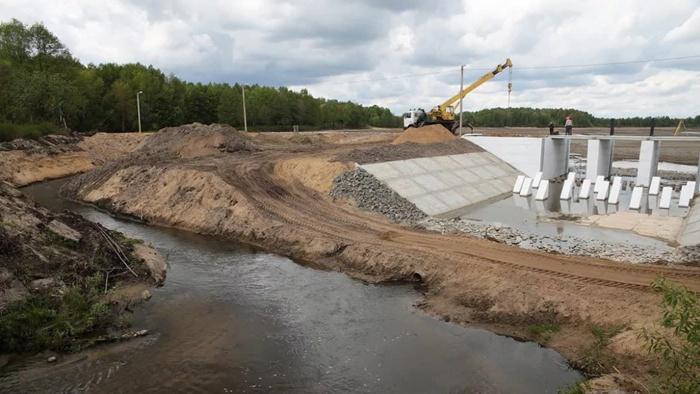
Dam construction is a complex hydraulic engineering task requiring meticulous preparation and consideration of the specific body of water involved. Such structures are designed to manage water impact, protect adjacent areas, and prevent shoreline erosion.
The structure’s efficiency and longevity depend on factors such as soil characteristics, water levels, currents, wave loads, and terrain features. To learn more, simply click here.
Preparing for Dam Construction
A professional approach to construction begins with a site survey and an assessment of the conditions under which the future structure will operate. Different technical solutions are applied for projects near lakes, rivers, and seacoasts, as the intensity of water impact varies significantly.
Before work begins, the site must be analyzed to determine the primary loads the structure will need to withstand. Assessments cover the condition of the shoreline, soil type, water levels, and potential seasonal fluctuations. The impact of waves and currents is also taken into account, particularly for projects in coastal zones.
A structural design is developed based on the data collected, specifying materials, component dimensions, and anchoring methods. Proper design allows for the anticipation of potential risks and ensures the structure’s necessary stability.
Construction standards and safety requirements are of particular importance. Hydraulic engineering projects involve significant loads and are often carried out in close proximity to water; therefore, strict adherence to established regulations is mandatory.
Key Construction Stages
Once site preparation and design are complete, the actual construction of the structure begins. Depending on the chosen solution, this involves installing piles, support elements, and protective walls. Specialized technologies are used to drive piles, ensuring they are securely anchored in the ground.
Creating a stable foundation is a crucial step. The structure must withstand water and soil pressure, as well as additional loads caused by fluctuations in the water level. Consequently, the depth of the supports and the methods used to connect them are selected based on the specific site characteristics.
Where necessary, drainage systems and additional reinforcement elements are incorporated. They help control the impact of water on the soil and reduce the risk of erosion. All structural elements must function as a unified system, ensuring the necessary strength and stability.